
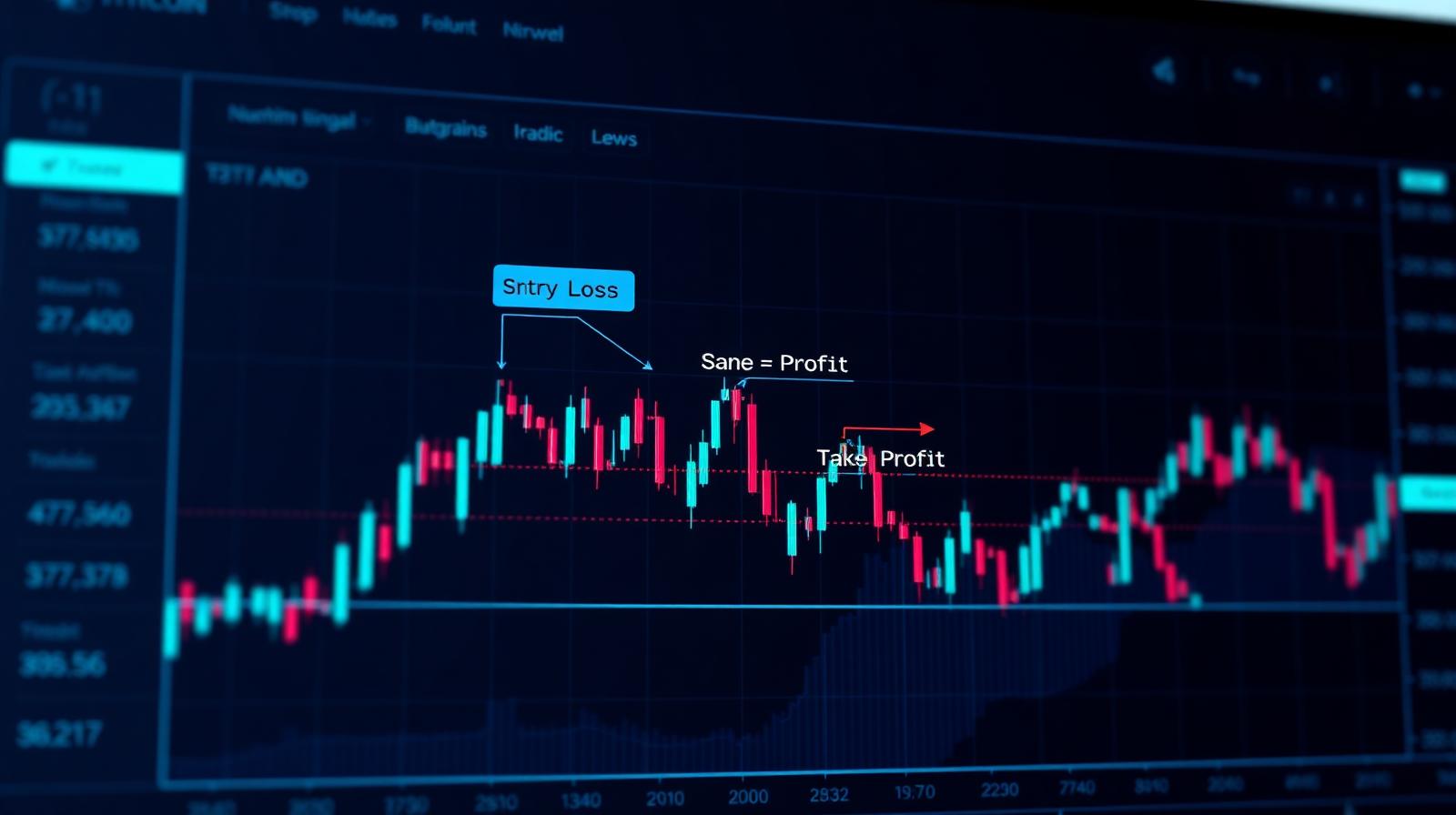
If you are new to crypto trading signals, one of the biggest challenges is understanding the language used within a signal.
Many beginners join signal groups, receive a trade alert and immediately feel overwhelmed by unfamiliar terms such as entry price, stop loss, take profit, risk-to-reward ratio and leverage.
Understanding crypto signal terminology is essential because even the best signal can be difficult to execute correctly if you do not understand what the information means.
In this guide, we will explain the most common crypto signal terms used by traders, signal providers and professional trading communities. By the end, you will have a much clearer understanding of how crypto trading signals work and how to interpret them confidently.
Key Takeaways
- Crypto signal terminology covers entries, stops, targets, leverage and risk-to-reward.
- Understanding the language helps you execute signals accurately and manage risk.
- Risk-to-reward ratio is often more important than win rate.
- Stop losses and take profits are the foundation of disciplined trading.
What Is Crypto Signal Terminology?
Crypto signal terminology refers to the collection of words, phrases and abbreviations commonly used within crypto trading signals.
These terms help communicate trading opportunities quickly and clearly.
A typical crypto signal may include:
- Trading pair
- Entry price
- Stop loss
- Take profit levels
- Risk management instructions
- Trade direction
Understanding these crypto signal terms helps traders make informed decisions and reduce execution errors.
For a broader introduction to signals themselves, see What Are Crypto Signals?
Entry Price
One of the most important crypto trading terminology concepts is the entry price.
The entry price is the recommended level where a trader should enter a position.
Example:
- BTC Entry Price: $105,000
This means the signal provider believes the trade offers a favourable opportunity around that price level.
Some signals provide:
- Single entry price
- Entry range
- Multiple scaled entries
Professional traders often prefer entry ranges because market prices move rapidly.
Why Entry Prices Matter
Entering too early or too late can significantly impact trade performance.
Following the recommended entry price helps maintain the intended risk profile of the trade.
Stop Loss
The stop loss is a predefined level where the trade should be closed if the market moves against you.
This is one of the most important concepts in risk management.
Example:
- Entry: $105,000
- Stop Loss: $102,500
If Bitcoin falls to $102,500, the position is exited to limit losses.
Many beginners ignore stop losses, but experienced traders understand that protecting capital is more important than chasing profits.
Understanding stop loss meaning is fundamental for long-term trading success.
Take Profit
Take profit levels indicate where traders may close positions to secure gains.
Most professional crypto signals provide multiple take profit targets.
Example:
- TP1: $107,000
- TP2: $109,000
- TP3: $112,000
This allows traders to gradually lock in profits as the market moves in their favour.
Learning take profit meaning helps traders avoid emotional decision-making and maintain discipline.
Risk-to-Reward Ratio
The risk-to-reward ratio compares potential profit against potential loss.
This is often abbreviated as RR or R:R.
Example:
- Risk: $500
- Potential Reward: $1,500
- Risk-to-Reward Ratio: 1:3
This means every $1 risked offers a potential reward of $3.
Professional traders frequently evaluate opportunities based on risk-to-reward ratio rather than win rate alone.
A strong risk-to-reward ratio can help traders remain profitable even if not every trade succeeds.
Long Position
A long position means a trader expects the market to rise.
Example: Buying Bitcoin at $105,000 with the expectation it will increase in value.
Most beginner traders are familiar with long trades because they align with traditional investing concepts.
Common terms include:
- Long
- Buy Signal
- Bullish Trade
Short Position
A short position means a trader expects the market to fall.
Example: Selling Bitcoin at $105,000 and aiming to profit if the price drops.
Short positions are common in futures trading and leveraged markets.
Common crypto signal abbreviations may include:
- Short
- Sell Signal
- Bearish Trade
Understanding short positions is essential when interpreting advanced crypto trading signals.
Bullish and Bearish
These are among the most common crypto trading definitions.
Bullish
Bullish means positive market expectations. A bullish trader believes prices will rise.
Bearish
Bearish means negative market expectations. A bearish trader believes prices will decline.
Signal providers frequently describe market outlooks using these terms.
Leverage
Leverage allows traders to control larger positions using less capital.
Example: 10x leverage means $1,000 controls a $10,000 position.
While leverage can increase gains, it also increases losses.
Professional signal providers often include recommended leverage levels.
New traders should use leverage carefully and understand associated risks.
Risk Warning
Trading Pair
A trading pair identifies the assets being traded.
Examples include:
- BTC/USDT
- ETH/USDT
- SOL/USDT
The first asset is the cryptocurrency being traded. The second asset is typically the currency used to measure value.
Understanding trading pairs is a key component of crypto trading vocabulary.
Market Order
A market order executes immediately at the best available price.
Advantages:
- Fast execution
- Simple to use
Disadvantages:
- Potential slippage
- Less price control
Market orders are often used when quick entry is more important than exact pricing.
Limit Order
A limit order allows traders to specify the exact entry price.
Example: Buy BTC at $105,000. The trade will only execute if price reaches that level.
Many signal providers prefer limit orders because they offer greater control over execution.
Support and Resistance
Support and resistance are key technical analysis concepts frequently referenced in crypto signals.
Support
A price area where buying interest may emerge.
Resistance
A price area where selling pressure may increase.
Signal providers often use these levels when determining entries and targets.
Trade Alert
A trade alert is a notification that identifies a trading opportunity.
Trade alerts may be delivered through:
- Telegram
- Mobile apps
- Trading communities
- Email notifications
Many traders rely on Telegram Signals because alerts can be delivered instantly.
For more detail, see Understanding Crypto Trade Alerts.
Signal Provider
A signal provider is an individual, team or service that publishes crypto trading signals.
Professional providers typically offer:
- Market analysis
- Risk management guidance
- Educational content
- Ongoing trade updates
When evaluating providers, transparency and consistency are often more important than marketing claims.
Why Understanding Crypto Signal Terminology Matters
Learning crypto signal language provides several benefits:
- Improved trade execution
- Better risk management
- Increased confidence
- Fewer mistakes
- Faster learning curve
Traders who understand signal terminology can focus on decision-making rather than decoding unfamiliar language.
This becomes increasingly important when using professional Crypto Signals services.
Common Beginner Mistakes
Ignoring Stop Losses
Many new traders remove stop losses and expose themselves to unnecessary risk.
Misunderstanding Leverage
High leverage can quickly magnify losses.
Confusing Entry Ranges
Entering outside the recommended range can alter trade outcomes.
Focusing Only on Profits
Risk management remains the foundation of successful trading.
Not Understanding Signal Updates
Signal providers frequently adjust trades as market conditions change.
Understanding terminology makes these updates easier to follow.
Ready To See Real Crypto Signals?
Join our free Telegram community and see how professional traders structure entries, stop losses, take profit targets and risk management in real market conditions.
Building Confidence With Crypto Signals
Understanding crypto signal terminology is often the first step toward becoming a more informed trader.
Once traders understand signal language, they can better evaluate opportunities, manage risk and participate confidently in trading communities.
Many traders eventually progress from basic signal education into more advanced services such as VIP Trading Signals or automated solutions through Copy Trading.
The key is building a strong foundation before increasing complexity.
Conclusion
Understanding crypto signal terminology is essential for anyone using crypto trading signals.
Terms such as entry price, stop loss, take profit, leverage and risk-to-reward ratio form the foundation of signal-based trading. By learning these concepts, traders can follow signals more accurately, manage risk more effectively and make more informed decisions.
Whether you are just starting out or looking to improve your understanding of professional trading alerts, mastering crypto signal terminology is a valuable step toward becoming a more confident trader.
Frequently Asked Questions
Further Reading
Continue exploring crypto signals and the Parallex ecosystem.
Related Articles
Commercial Pages
Ready To Improve Your Trading?
Join our free Telegram community to access market insights, trading discussions and structured crypto signal examples.