
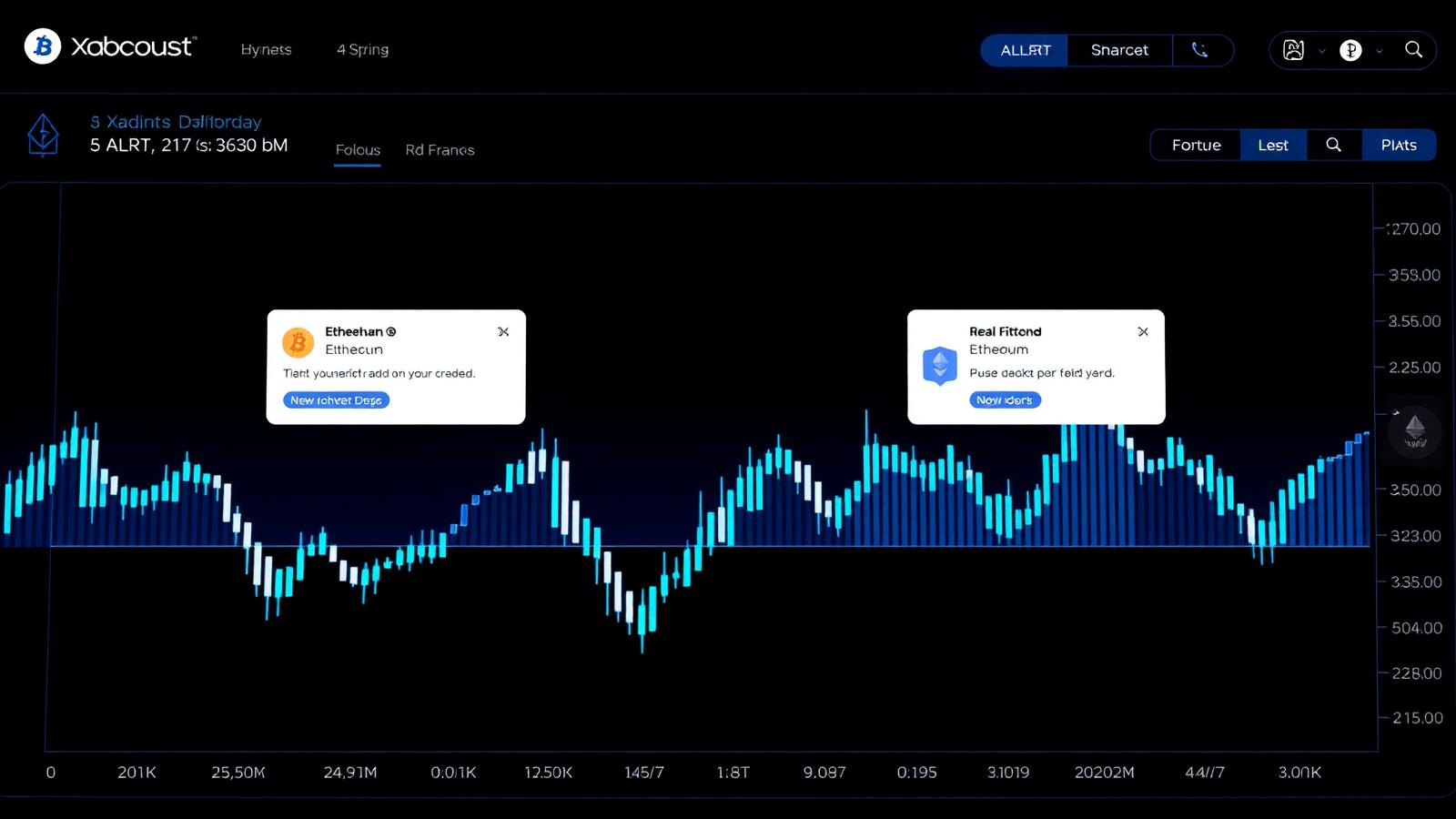
Crypto trade alerts have become one of the most widely used tools in modern cryptocurrency trading. Whether you are following professional analysts, trading communities, automated systems, or signal providers, there is a high probability that you will encounter crypto trade alerts at some stage of your trading journey.
For beginners, however, crypto trade alerts can appear confusing. Messages often contain technical information such as entry prices, stop losses, take-profit targets, leverage guidance, and market conditions. Without understanding what these alerts mean, traders can struggle to use them effectively.
Understanding crypto trade alerts is important because alerts are designed to help traders identify potential opportunities, stay informed about market developments, and make more structured trading decisions. Rather than constantly monitoring charts throughout the day, traders can receive timely notifications that highlight potential setups and market movements.
Many professional trading services incorporate alerts as part of broader Crypto Signals offerings, providing traders with actionable market information while helping them develop stronger trading discipline.
In this guide, we will explain what crypto trade alerts are, how crypto trading alerts work, the different types of alerts available, and how traders can use them responsibly within a wider trading strategy.
Key Takeaways
- Crypto trade alerts notify traders about market opportunities, price movements, and events.
- Alerts can be manual, automated, or AI-powered.
- They are information — not guarantees — and require personal risk management.
- Quality alerts include asset, entry zone, stop loss, profit targets, and reasoning.
What Are Crypto Trade Alerts?
Crypto trade alerts are notifications that inform traders about potential market opportunities, price movements, trading setups, or important market events.
These alerts can be generated manually by experienced analysts or automatically through software and algorithmic systems. Their purpose is to notify traders when specific market conditions occur so that opportunities are not missed.
A crypto alert may be delivered through:
- Mobile notifications
- Telegram groups
- Trading platforms
- Email alerts
- Desktop applications
- SMS notifications
- Automated trading systems
Unlike general market news, crypto trade alerts are usually focused on specific trading opportunities or market conditions that may require attention.
Examples include:
- Bitcoin breaking a major resistance level
- Ethereum reaching a predefined buy zone
- A stop-loss level being triggered
- A significant increase in trading volume
- A completed chart pattern
- A market reversal signal
The goal is not to guarantee profits but to help traders react more efficiently to changing market conditions.
How Crypto Trading Alerts Work
Crypto trading alerts operate by monitoring predefined market conditions and sending notifications when those conditions are met. The process generally follows four stages:
1. Market Analysis
The first step involves analysing the market. This analysis may be performed by:
- Professional traders
- Technical analysts
- Automated algorithms
- AI-driven systems
- Signal providers
The analyst or system looks for patterns, trends, support levels, resistance levels, volume changes, momentum shifts, or other indicators that suggest a potential trading opportunity.
2. Opportunity Identification
Once a potential setup is identified, specific trading criteria are established. This may include:
- Entry price
- Stop-loss level
- Profit targets
- Risk-reward ratio
- Trade direction
At this stage, the setup becomes a potential trade alert.
3. Alert Distribution
The alert is then distributed to subscribers or users. Depending on the service, notifications may be sent through:
- Telegram channels
- Mobile applications
- Trading dashboards
- Email systems
- SMS messaging
Many traders prefer using dedicated Telegram Signals services because alerts can be delivered instantly and accessed from anywhere.
4. Trader Decision Making
Receiving an alert does not automatically mean a trade should be entered. Responsible traders evaluate:
- Current market conditions
- Portfolio exposure
- Risk tolerance
- Position sizing
- Personal trading strategy
The alert serves as information rather than an instruction. Successful traders use alerts to support decision-making rather than replacing it entirely.
Types of Crypto Trade Alerts
Not all crypto alert notifications are the same. Different alerts serve different purposes depending on the trader's objectives.
Price Alerts
Price alerts are among the most common forms of crypto alert notifications. These alerts trigger when an asset reaches a specific price level.
Examples include:
- Bitcoin rises above $100,000
- Ethereum falls below support
- Solana reaches a target entry zone
Price alerts help traders monitor markets without needing to watch charts continuously.
Signal Alerts
Crypto signal alerts provide structured trade setups. These alerts often include:
- Asset name
- Entry price
- Stop loss
- Profit targets
- Trade rationale
Many traders rely on professional Crypto Signals services because they provide a more complete trading framework than simple price notifications.
For a deeper explanation of how signals are generated, see our guide on How Crypto Signals Work.
Trend Alerts
Trend alerts identify developing market trends. Examples may include:
- Bullish trend confirmation
- Bearish trend continuation
- Breakout detection
- Trend reversal signals
These alerts help traders align with broader market momentum.
Volatility Alerts
Cryptocurrency markets can move rapidly. Volatility alerts notify traders when significant market activity occurs. Triggers may include:
- Sudden price spikes
- Large liquidations
- Sharp market declines
- Unusual volume increases
These alerts help traders prepare for periods of increased market risk.
News-Based Alerts
Major events can significantly impact cryptocurrency prices. News-based alerts may notify traders about:
- Regulatory announcements
- Exchange listings
- ETF developments
- Security incidents
- Macroeconomic events
While not direct trading signals, these alerts provide valuable context that may influence trading decisions.
What Information Is Typically Included in a Crypto Trade Alert?
The quality of an alert often depends on the amount of useful information it provides. Professional cryptocurrency trading alerts typically contain several important components.
Asset Name
The alert identifies the cryptocurrency being analysed. Examples include BTC, ETH, SOL, XRP, ADA. Clear identification ensures traders know exactly which market the alert refers to.
Entry Zone
The entry zone specifies where a trader may consider opening a position. Rather than entering randomly, traders use predefined areas that fit the setup.
Stop-Loss Level
A stop-loss level defines where risk should be limited if the market moves against the trade. Risk management is one of the most important elements of successful trading. Professional alerts generally include stop-loss guidance to help traders protect capital.
Profit Targets
Profit targets identify potential exit points where gains may be realised. Many alerts include multiple targets to allow partial profit-taking as the trade develops.
Trade Explanation
Higher-quality alerts often include supporting analysis explaining why the setup exists. This may reference:
- Technical indicators
- Chart patterns
- Market structure
- Volume analysis
- Trend conditions
Understanding the reasoning behind an alert helps traders improve their own market analysis skills over time.
Why Many Traders Use Crypto Trade Alerts
The cryptocurrency market operates 24 hours a day, seven days a week. Unlike traditional financial markets, opportunities can emerge at any time. Crypto trade alerts help traders remain informed without constantly monitoring charts.
Some of the most common benefits include:
Improved Market Awareness
Alerts keep traders informed about important market developments as they happen.
Time Efficiency
Monitoring hundreds of cryptocurrencies manually is unrealistic for most traders. Alerts simplify the process by highlighting relevant opportunities.
Structured Trading Decisions
Well-designed crypto signal alerts often include predefined risk management levels and trading plans. This can help reduce emotional decision-making.
Educational Value
Many alerts explain the reasoning behind a trade setup. Over time, traders can learn how experienced analysts evaluate markets and identify opportunities.
Access to Professional Analysis
Some traders use premium services that combine alerts with expert market commentary, advanced analysis, and ongoing support. This is one reason why many active traders eventually explore premium VIP Trading Signals services that provide additional market insight and trade management guidance.
Explore Crypto Signals
Common Mistakes When Using Crypto Trade Alerts
While crypto trade alerts can be extremely useful, they are often misused by inexperienced traders. Understanding these mistakes can help traders avoid unnecessary losses and develop more disciplined trading habits.
Blindly Following Every Alert
One of the biggest mistakes is treating every alert as a guaranteed winning trade. No alert system, analyst, algorithm, or signal provider can predict markets with perfect accuracy.
Markets are influenced by countless factors including:
- Liquidity
- News events
- Investor sentiment
- Macroeconomic conditions
- Unexpected volatility
Experienced traders understand that alerts identify opportunities, not certainties.
Ignoring Risk Management
Many traders focus solely on profit targets while ignoring stop-loss levels. This creates an unhealthy risk profile and can lead to significant losses when trades move against expectations.
Successful traders always consider:
- Position sizing
- Maximum account risk
- Stop-loss placement
- Portfolio diversification
Overtrading
Receiving frequent crypto alert notifications can create the temptation to enter too many trades. More trades do not automatically lead to better results. In many cases, focusing only on high-quality opportunities can improve long-term consistency.
Ignoring Market Context
An alert should always be considered within the broader market environment. For example, a bullish signal during a strong uptrend may carry more weight, while a bullish signal during a major market selloff may involve greater risk. Context matters. The most effective traders combine alerts with broader market awareness.
Automated Crypto Alerts Explained
Not all crypto trade alerts are generated manually. Many modern trading systems use automation to monitor markets around the clock. Automated crypto alerts are generated when predefined conditions are met.
Examples include:
- RSI reaching oversold levels
- Moving average crossovers
- Support or resistance breaks
- Volume spikes
- Momentum changes
- Trend confirmations
The primary advantage of automation is speed. Automated systems can monitor hundreds of assets simultaneously and identify opportunities much faster than manual analysis.
Benefits include:
- 24/7 monitoring
- Reduced human error
- Faster notifications
- Consistent rule application
However, automation also has limitations. Markets do not always behave according to predefined rules, which is why many traders combine automated alerts with human analysis.
AI-Powered Crypto Alert Systems
Artificial intelligence is becoming increasingly common within cryptocurrency trading. Modern AI systems can analyse:
- Historical market data
- Price behaviour
- Market sentiment
- Trading volume
- Correlation patterns
- News data
These systems attempt to identify opportunities that may not be immediately visible through traditional technical analysis.
AI-powered alert systems can provide:
- Market trend analysis
- Pattern recognition
- Opportunity scoring
- Risk assessment
- Signal generation
Many traders are exploring AI Trading solutions because artificial intelligence can process large volumes of data significantly faster than manual analysis.
However, AI should still be viewed as a tool rather than a replacement for sound trading judgement. Even advanced systems can generate false signals during highly volatile market conditions.
Real-World Example of a Crypto Trade Alert
To better understand how crypto trading alerts work, consider the following example.
Example Alert
- Asset: BTC/USDT
- Direction: Long
- Entry Zone: $98,000–$99,000
- Stop Loss: $95,500
- Target 1: $101,000
- Target 2: $103,000
- Target 3: $106,000
Reasoning:
- Support zone confirmed
- Rising trading volume
- Bullish market structure
- Positive momentum indicators
When a trader receives this alert, several decisions must still be made. The trader may choose to:
- Enter the trade immediately
- Wait for additional confirmation
- Reduce position size
- Skip the trade entirely
The alert provides a framework for decision-making rather than an automatic trading instruction. This distinction is important because successful trading requires personal responsibility and risk assessment.
Crypto Trade Alerts vs Crypto Signals
Many traders use the terms interchangeably, but there can be subtle differences.
Crypto Trade Alerts
Typically provide notifications about:
- Price movements
- Market events
- Potential opportunities
- Technical developments
Alerts are often informational.
Crypto Signals
Crypto signals generally provide a more complete trading framework. They may include:
- Entry levels
- Stop-loss guidance
- Profit targets
- Trade rationale
- Risk management considerations
This additional structure is why many traders eventually transition from basic alert services to dedicated Crypto Signals providers. Signals help create a more organised approach to trading while supporting consistency and discipline.
Risk Management and Crypto Alert Notifications
Risk management remains essential regardless of how sophisticated an alert system may be. Every trading opportunity carries risk. Professional traders focus heavily on protecting capital because preserving funds allows participation in future opportunities.
Key Risk Management Principles
Use Position Sizing. Never risk a disproportionate amount of capital on a single trade. Many experienced traders limit risk to a small percentage of their portfolio per position.
Respect Stop-Loss Levels. Stop losses exist to control downside risk. Ignoring them can expose traders to significantly larger losses.
Avoid Emotional Trading. Fear and greed often influence decision-making. Trade alerts should support objective analysis rather than emotional reactions.
Maintain Realistic Expectations. No alert system can eliminate losses. Even high-quality trading opportunities will experience losing trades. The goal is long-term consistency rather than perfection.
Risk Warning
Best Practices for Using Crypto Trade Alerts
To maximise the value of cryptocurrency trade alerts, traders should follow several best practices.
Develop a Trading Plan
Alerts work best when incorporated into a broader trading strategy. A clear plan should define risk tolerance, position sizing, entry criteria, exit criteria, and portfolio allocation.
Verify Information
Whenever possible, review the supporting analysis behind an alert. Understanding why an opportunity exists can improve both confidence and education.
Focus on Quality Over Quantity
Entering every available trade often leads to inconsistent results. Many successful traders prioritise high-conviction setups that align with their strategy.
Keep a Trading Journal
Recording trade outcomes helps identify patterns and improve decision-making over time. A trading journal may include entry reasons, exit reasons, risk levels, and lessons learned.
Continue Learning
The most successful traders never stop improving. Studying market structure, technical analysis, and risk management can enhance the value gained from trading alerts.
How Beginners Should Approach Crypto Trade Alerts
For new traders, alerts can serve as a valuable educational tool. Rather than focusing solely on profits, beginners should use alerts to learn:
- How markets move
- How setups are structured
- How risk is managed
- How professional analysts evaluate opportunities
Over time, this knowledge can help traders become more independent and confident.
Many beginners start with alert services delivered through Telegram Signals because they provide convenient access to market updates and educational commentary in real time.
The key is to remain patient, manage risk carefully, and focus on building knowledge rather than chasing quick results.
Ready To See Real Crypto Signals?
Join our free Telegram community and see how professional traders structure entries, stop losses, take profit targets and risk management in real market conditions.
Conclusion
Crypto trade alerts have become an important tool for traders navigating the fast-moving cryptocurrency market. Whether delivered through manual analysis, automated systems, Telegram channels, or AI-powered platforms, alerts help traders identify opportunities, monitor market conditions, and react more efficiently to price movements.
However, it is important to remember that alerts are not guarantees of success. The most effective traders use crypto trading alerts as part of a broader trading framework that includes education, risk management, discipline, and continuous learning.
Understanding how crypto trade alerts work allows traders to evaluate opportunities more effectively, avoid common mistakes, and make more informed decisions. By combining quality alerts with sound trading principles, traders can build a more structured and professional approach to cryptocurrency trading.
For those looking to move beyond simple notifications, professional Crypto Signals services can provide additional market analysis, trade planning, and risk management support designed to help traders navigate market opportunities with greater confidence.
Frequently Asked Questions
Further Reading
Continue exploring crypto signals and the Parallex ecosystem.
Related Articles
Commercial Pages
Ready To Improve Your Trading?
Join our free Telegram community to access market insights, trading discussions and structured crypto signal examples.